Blog
Global HDPE Pipe Fittings Manufacturers: Leading in Infrastructure
-
Introduction to the Global HDPE Pipe Fittings Market
Illustrative purpose only
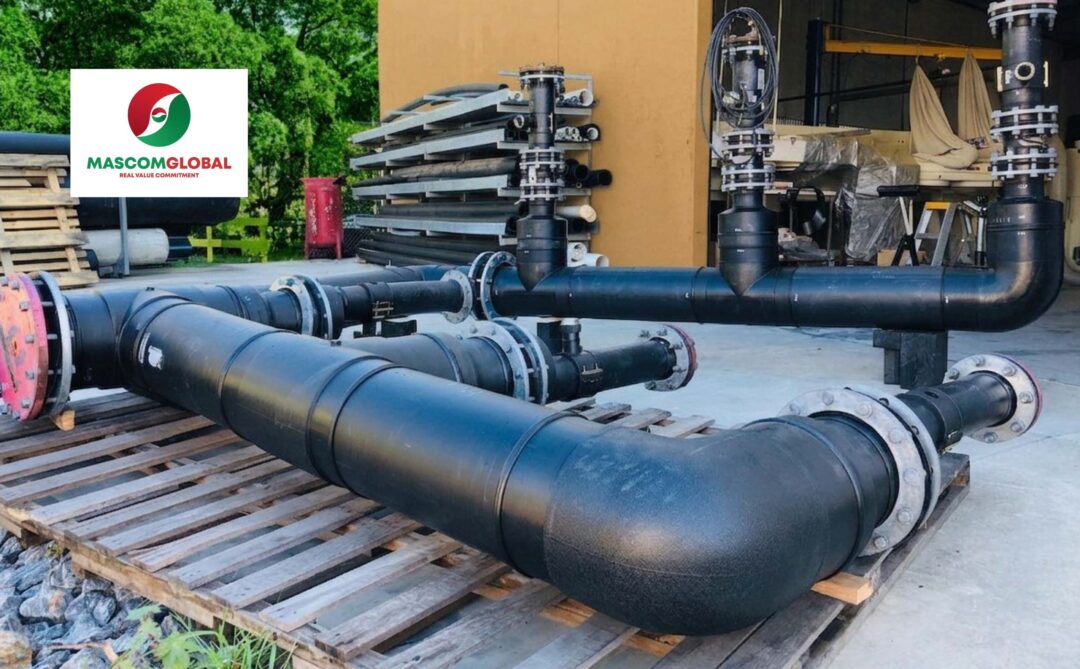
[Mascom Global] High-Density Polyethylene (HDPE) has revolutionized the fluid transportation industry. As cities expand and industrial demands grow, the reliance on HDPE piping systems has skyrocketed due to their durability, flexibility, and leak-proof nature. However, a piping system is only as strong as its connections. This is where global HDPE pipe fittings manufacturers play a critical role.
From water distribution and gas networks to mining and industrial chemical transport, the quality of fittings such as elbows, tees, couplers, and reducers — determines the longevity of the entire infrastructure. This article provides an in-depth look at the leading manufacturers, the technologies they employ, and the trends shaping the global market.
-
Top Global HDPE Pipe Fittings Manufacturers to Watch
Top-tier manufacturers differentiate themselves through rigorous adherence to international standards. When evaluating a global supplier, industry experts look for certifications such as ISO 4427, ASTM D3261, and EN 12201. These standards ensure that the fittings can withstand specific pressure ratings (PN) and environmental stresses.
The production of HDPE pipe fittings generally involves two primary methods:
- Injection Molding: Best for high-volume, standardized parts like couplers and elbows.
- Fabricated Fittings: Custom-made by cutting and butt-fusing pipe segments, essential for large-diameter projects or unique angles
-
Top Global HDPE Pipe Fittings Manufacturers to Watch
The global market is dominated by several key players who have set the benchmark for quality and innovation.
3.1. Georg Fischer (GF Piping Systems) – Switzerland
A titan in the industry, GF Piping Systems is renowned for its ELGEF Plus electrofusion system. Their products are synonymous with high-end technology, offering integrated traceability and safety for gas and water utilities. Their global footprint ensures that their HDPE solutions are available on every continent.
3.2. Aliaxis – Belgium
Aliaxis operates through several local brands (such as Frialen or Philmac) to provide specialized HDPE pipe fittings and integrated piping solutions. They are leaders in developing large-diameter fittings and innovative joining technologies that reduce installation time in the field.
3.3. JM Eagle – USA
As the world’s largest plastic pipe manufacturer, JM Eagle provides a massive range of HDPE products. Their fittings are widely used in the North American municipal and utility sectors, known for their extreme resistance to corrosion and seismic activity.
3.4. PESTAN – Europe/Global
Pestan has gained significant market share by offering high-performance HDPE pipe fittings that cater to both irrigation and industrial chemical transport. Their focus on the PE100 and PE100-RC (Resist to Crack) materials makes them a preferred choice for trenchless installation technologies.
3.5. Emerging Manufacturers in Asia
Countries like China, India, and Vietnam are home to rapidly growing manufacturers that offer competitive pricing without sacrificing quality. These companies are increasingly adopting European machinery and German-grade or (CaCO3) or carbon black additives to meet global export standards.
-
Key Technologies: Electrofusion vs. Butt Fusion
Illustrative purpose only
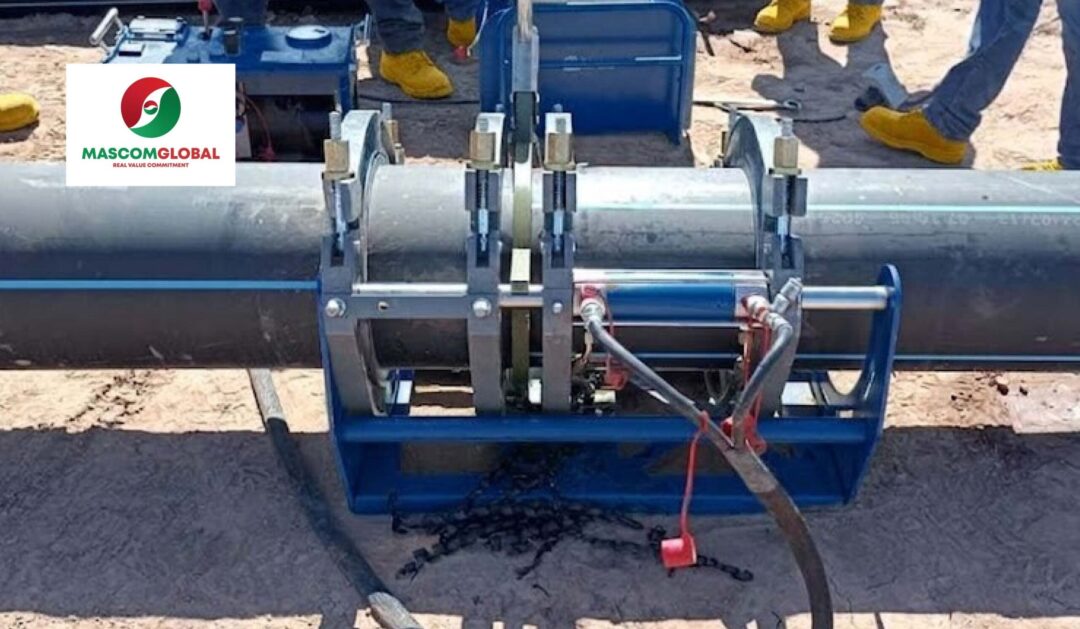
Leading manufacturers are constantly innovating in how pipes are joined.
- Electrofusion Fittings: These contain integrated heating coils. When an electric current is applied, the plastic melts and forms a homogenous bond. Manufacturers like GF and Aliaxis are the gold standard in this category.
- Butt Fusion Fittings: These are heated and pressed together using specialized machinery. They are cost-effective for large-diameter pipelines in the mining and dredging industries.
-
Market Trends: Sustainability and Smart Piping
The future of HDPE pipe fitting manufacturing is moving toward Sustainability and Digitalization.
- Eco-friendly Production: Manufacturers are optimizing their energy consumption and using 100% recyclable HDPE materials to reduce environmental impact.
- Smart Fittings: Some global leaders are experimenting with embedded RFID chips in fittings. This allows engineers to scan a joint with a smartphone to access its entire maintenance history and pressure test data.
-
How to Choose a Reliable Manufacturer of HDPE Pipe Fittings
When sourcing for large-scale infrastructure projects, selecting the right manufacturer of HDPE pipe fittings is critical to ensuring the long-term performance and reliability of the entire piping system. Several key criteria should be carefully evaluated to make an informed decision.
- Material Grade: A reliable manufacturer should use certified PE100 or PE100-RC resins sourced from reputable petrochemical companies. These materials form the foundation of the durability and pressure resistance of HDPE pipe fittings, ensuring safe performance under various operating conditions.
- Testing Capabilities: Beyond production, strong quality control is essential. Manufacturers with in-house laboratory facilities are able to conduct critical tests such as hydrostatic pressure testing and tensile strength analysis. This ensures that all products meet required technical standards before deployment.
- Technical Support: Leading manufacturers extend their value beyond products by offering comprehensive technical support. This includes on-site training and fusion machinery calibration services, ensuring that installation is carried out with the same level of precision and quality as the products themselves.
-
Conclusion
The global HDPE pipe fittings market is more than just a supply chain; it is the backbone of modern civil engineering. By choosing reputable manufacturers like Georg Fischer, Aliaxis, or top-tier regional suppliers, project managers ensure that their infrastructure is built to last for 50 to 100 years. As technology advances, we can expect these manufacturers to continue pushing the boundaries of what is possible in fluid transportation.
