Blog
What is a UV Stabilizer for PVC?
Polyvinyl Chloride (PVC) is a cornerstone of modern infrastructure, celebrated for its versatility, chemical resistance, and cost-effectiveness. However, PVC has a significant “Achilles’ heel”: its inherent sensitivity to ultraviolet (UV) radiation. When exposed to solar rays, particularly in outdoor applications, PVC undergoes a destructive chemical transformation. Without the intervention of UV stabilizer for PVC, the polymer would succumb to degradation, resulting in product failure and financial loss.
The Science of UV Degradation: Why PVC Fails
To understand the necessity of stabilizers, one must look at the molecular level. UV radiation (ranging from 290 to 400 nm) possesses enough energy to break the carbon-hydrogen bonds within the PVC polymer chain. This process, known as photo-oxidation, is triggered when sunlight hits “chromophores” — impurities or structural defects created during the manufacturing process.
Once these bonds break, they form highly reactive free radicals. These radicals react with atmospheric oxygen, initiating a catastrophic chain reaction that leads to:
- Chain Scission: Breaking the long polymer chains into shorter pieces, making the plastic brittle.
- Cross-linking: Creating unwanted bonds that make the material overly rigid and prone to cracking.
- Dehydrochlorination: The release of hydrochloric acid, which leads to the characteristic yellow or brown discoloration.
What Exactly is a UV Stabilizer for PVC?
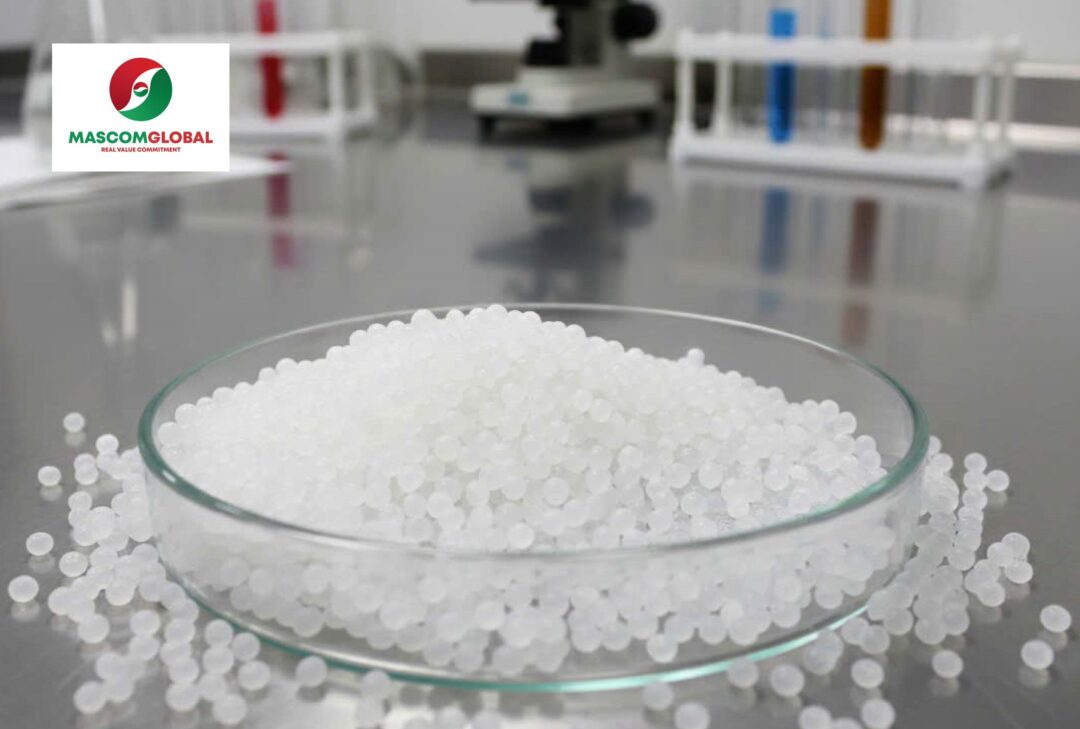
A UV Stabilizer for PVC is a specialized chemical additive integrated into the PVC resin during the compounding stage. Its primary role is to act as a microscopic “defense shield,” intercepting UV energy before it can initiate the degradation cycle. By neutralizing free radicals or dissipating harmful energy, stabilizers preserve the polymer’s physical and aesthetic properties.
Classification of UV Stabilizers: A Multi-Layered Defense
In professional PVC formulations, manufacturers rarely rely on a single additive. Instead, they use a synergistic blend of the following three technologies:
1. UV Absorbers (UVA)
UV Absorbers act like high-performance sunscreen. These molecules compete with the polymer to absorb incoming UV radiation. Once absorbed, they convert the harmful energy into low-level thermal energy (heat), which is safely dissipated through the material’s surface.
- Common Chemistries: Benzotriazoles and Benzophenones.
- Best Use: Effective for thicker PVC profiles like window frames and heavy-duty pipes.
2. Hindered Amine Light Stabilizers (HALS)
HALS are widely considered the gold standard for long-term protection. Unlike absorbers, they do not block light. Instead, they function as radical scavengers. As soon as a free radical is formed by UV light, the HALS molecule “traps” it, stopping the degradation chain reaction in its tracks.
- Key Advantage: HALS are not consumed in the reaction; they regenerate themselves, providing protection that lasts for decades.
3. UV Screeners and Pigments
These are physical barriers that reflect or block UV rays from entering the polymer matrix.
- Titanium Dioxide (TiO2): The most common screener for white PVC, providing excellent reflection.
- Carbon Black: Offers superior protection but is limited to black or dark-colored products.
Why UV Stabilization is Vital for Product Integrity
The inclusion of high-quality UV Stabilizer for PVC offers several non-negotiable benefits for manufacturers and end-users:
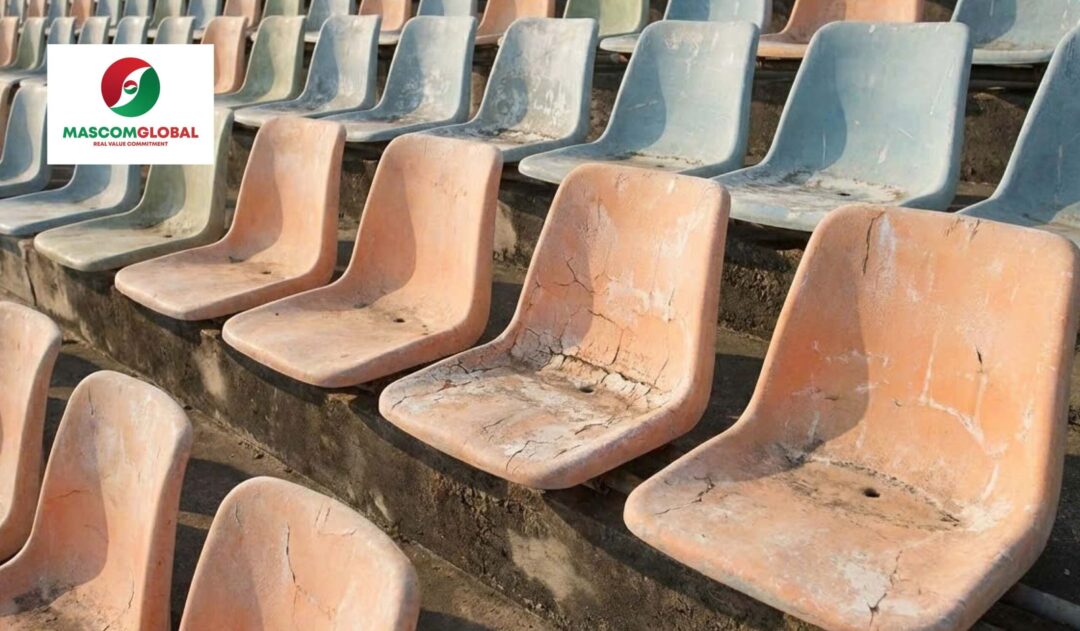
- Aesthetic Longevity: UV Stabilizer for PVC helps to prevent “yellowing” or “bronzing,” ensuring that architectural elements like vinyl siding and window profiles maintain their original color.
- Structural Strength: UV Stabilizer for PVC helps to retain the material’s impact resistance and tensile strength. This is critical for pressure pipes and electrical conduits that must withstand mechanical stress.
- Surface Integrity: UV Stabilizer for PVC helps to prevent “chalking” — the white, powdery residue that forms on degraded PVC surfaces, which can lead to leaks and contamination.
- Sustainability: By extending the service life of PVC products from 5 to over 30 years, stabilizers significantly reduce plastic waste and the carbon footprint of replacement manufacturing.
Conclusion
“What is a UV Stabilizer for PVC?” is more than a technical question; it is a fundamental consideration for any durable plastic application. These additives turn a light-sensitive polymer into a weather-resistant powerhouse. For businesses, choosing the right UV stabilization package is an investment in brand reputation and product reliability.
